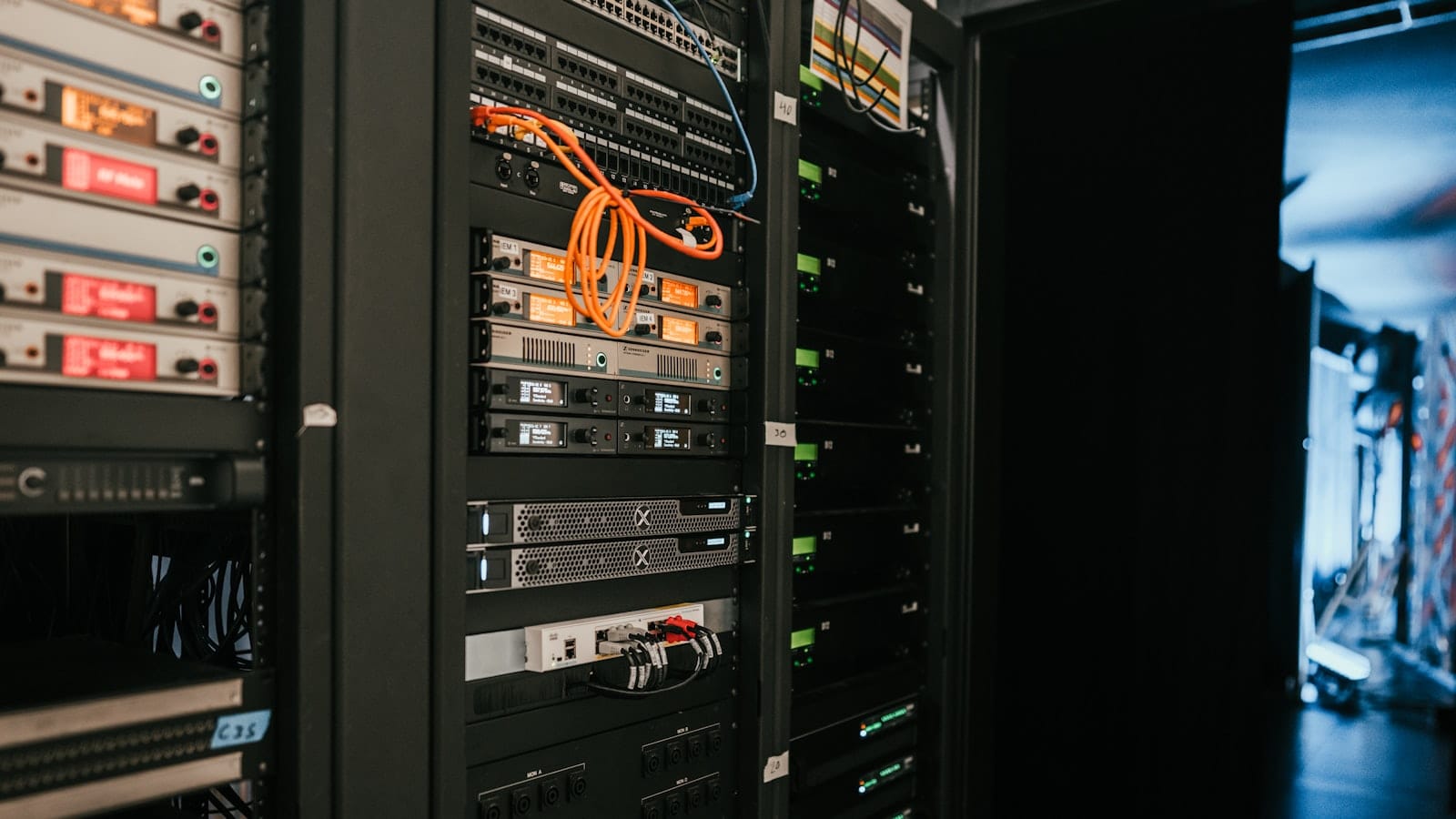
Owning the hardware is the easy part. You have the racks, the power and cooling, the network, and the capital tied up in servers, GPUs, and storage. What you may not have is the layer that lets a customer sign up, provision a virtual machine or a Kubernetes cluster in minutes, and get billed for exactly what they use. That layer is a control plane, and it is the difference between a data center that rents space and one that sells cloud.
The gap between owning hardware and selling cloud
Most operators, colos, telcos, and neoclouds are sitting on capacity that is fully capable of competing with the public cloud on a per-resource basis. The hardware is not the constraint. The constraint is the experience layer that buyers now take for granted. When a developer or an enterprise procurement team decides where to run a workload, they expect the same thing everywhere:
- Self-service signup and provisioning, not a sales call and a ticket queue
- An API and a console to launch compute, storage, and networking on demand
- Isolated, multi-tenant environments that keep customers safely apart
- Metered, usage-based billing that charges for what was actually consumed
- Quotas and guardrails so capacity is allocated predictably
Bare metal alone delivers none of this. Closing the gap by hand means writing and operating an identity system, a billing engine, a tenancy model, a networking fabric, and an orchestration layer, then maintaining all of it. That is years of platform engineering before the first dollar of cloud revenue, and it is not the business most operators set out to be in.
What a control plane actually provides
A control plane is the software that sits between your bare metal and your customers and turns raw CPU, GPU, RAM, and storage into a product. Akasha provides that layer as a single platform, so you do not have to assemble it from scratch.
- A self-service web console for instances, Kubernetes clusters, storage pools, and networking
- Multi-tenancy by design, so many customers share the same fleet without seeing each other
- Software-defined networking built on OVN for tenant isolation, virtual networks, and routing
- Managed Kubernetes, so customers run containerized workloads without your team operating clusters by hand
- Quotas and usage-based billing that meter consumption and turn it into invoices
- A super-admin portal where your team manages tenants, capacity, and policy across the whole platform
Underneath, compute virtualization runs on Incus and LXD, so the same platform serves lightweight system containers and full virtual machines on the hardware you already own.
From metal to monetized
The shift a control plane enables is not only technical. It changes what you sell and how the economics work. Instead of leasing space, power, and a cross-connect, you offer cloud products: compute instances, GPU capacity, managed clusters, and storage, each metered and billed by use. The same rack that once earned a flat colocation fee can now serve many tenants, each paying for the resources they consume.
Usage-based billing meters consumption transparently, so what a tenant runs is what a tenant owes. Quotas let you allocate capacity deliberately across tenants, and the self-service model means customers onboard themselves through the console instead of spending your engineers' time on provisioning tickets. The result is a higher-value offering — cloud sold and operated as a product — built on infrastructure you have already paid for.
Bare metal is inventory. A control plane is what turns it into a product your customers can buy for themselves.
Why open foundations beat a proprietary stack — or rolling your own
There are three ways to get a control plane: license a proprietary stack, build your own, or adopt a platform built on open foundations. Akasha is built on Incus and LXD for virtualization, OVN for networking, and Kubernetes for orchestration — the same proven, widely used building blocks that run serious infrastructure across the industry.
That choice matters for an operator:
- No proprietary lock-in: the foundations are open and standard, so you are not captive to one vendor's roadmap or pricing.
- Runs where your hardware is: deploy the platform inside your own facility, on metal you control, rather than only in someone else's cloud.
- Proven components: you inherit the maturity of technologies the industry already trusts, rather than betting on an unproven black box.
- Faster than building it yourself: you get the experience layer without the multi-year platform engineering effort.
Building from scratch gives you control but costs years. A closed stack is faster to adopt but trades one dependency for another. Open foundations give you both speed and ownership at once.
Getting started
If you operate data-center, server, or GPU capacity and want to turn it into a self-service cloud you can monetize, Akasha is built to take you from metal to monetized on open foundations you control. We are working with early operators now. To see the platform and start the conversation, request access or submit a letter of intent, and we will follow up to understand your capacity and your goals.