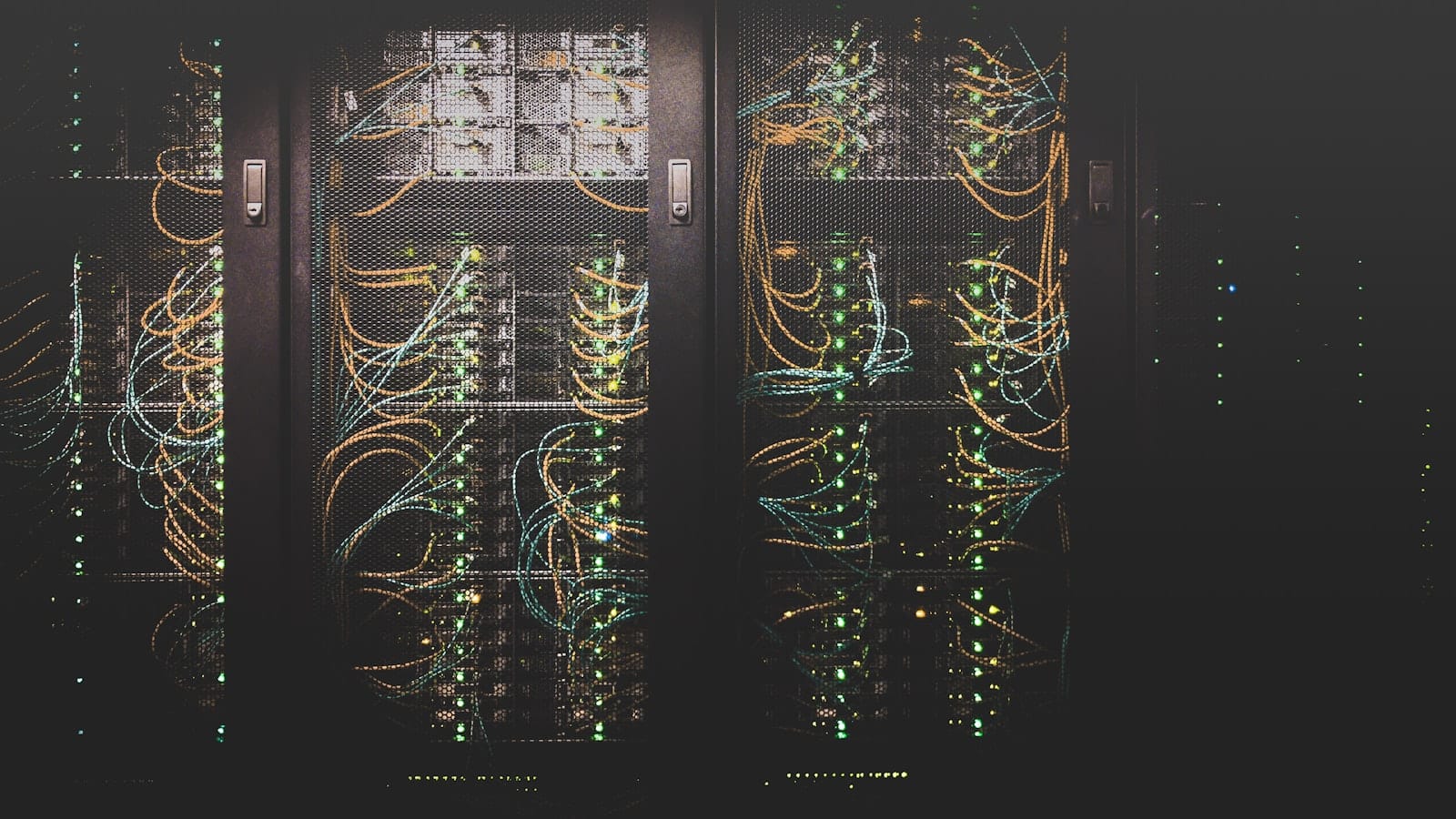
You bought the racks. You racked the servers. Maybe you already have spare CPU, GPU, and storage capacity sitting in a colo cage or a corner of your own facility. The hard part was never the hardware. The hard part is everything that turns that hardware into a cloud people can actually self-serve against, and then keeping it running at 3 a.m. on a holiday weekend. This is the gap Akasha's Managed Data Center line exists to close: you keep the metal, we run the platform on top of it.
The hidden operational burden of running cloud yourself
Standing up an IaaS and Kubernetes platform is a one-time project that quickly becomes a permanent staffing commitment. The demo is easy; the operations are not. Running a multi-tenant cloud means owning a long list of recurring, often unglamorous responsibilities.
- Platform upgrades: keeping the virtualization layer, control plane, and Kubernetes versions current without breaking tenant workloads.
- 24/7 on-call: someone has to answer the page when a hypervisor or storage node misbehaves at night.
- Networking: operating software-defined networking, tenant isolation, overlays, routing, and load balancing as a living system, not a one-time setup.
- Capacity planning: tracking utilization, headroom, and growth so tenants don't hit walls and you don't strand expensive hardware.
- Security patching: following vulnerabilities across the whole stack and rolling fixes without unplanned downtime.
- Billing and quotas: metering usage, enforcing quotas, and producing numbers customers trust.
Each of these is a discipline, not a checkbox. Together they add up to a full team, and a team you have to hire, retain, and keep on rotation before you serve a single paying tenant.
What "managed" means with Akasha
Managed Data Center means Akasha operates the cloud platform on your hardware, end to end. You get the same control plane that powers our other lines, the self-service console for instances, Kubernetes clusters, storage pools, networking, billing, and quotas, but the operational weight sits with us.
- Managed IaaS: compute, storage, and network provisioned and operated for you, built on open foundations like Incus/LXD for virtualization and OVN for software-defined networking.
- Managed Kubernetes: cluster lifecycle, upgrades, and day-2 operations handled, so your teams or your tenants consume clusters instead of babysitting them.
- 24/7 operations: monitoring, on-call, patching, and incident response as an ongoing service, not a project you staff internally.
- SLAs: defined service commitments, so reliability is contractual rather than best-effort.
You keep the hardware. We run the platform.
Managed does not mean handing over your capacity. The defining trait of this model is that ownership and control of the metal stay with you. The servers, GPUs, and storage remain yours, in your facility, your colo, or wherever your hardware lives. Akasha runs the platform layer on top.
Because that platform is built on open foundations, Incus/LXD, OVN, and Kubernetes, there is no proprietary lock-in underneath it. You are not trading operational burden for a black box you can never leave. And for organizations with data-residency or regulatory requirements, the model is sovereign and on-prem capable by design: your data and workloads stay on infrastructure you own and control.
Cloud economics should not require you to become a cloud operator. Keep the metal; let someone else carry the pager.
When managed beats DIY
Running the stack yourself can make sense when operating cloud infrastructure is your core business and you already have the team to do it. For nearly everyone else who owns capacity but wants to use it like a cloud, managed is the faster, lower-risk path. It is worth a hard look when:
- You have capacity to monetize or consume, but no appetite for building a 24/7 cloud-operations team.
- Time-to-value matters more than building platform expertise in-house.
- Your engineers should be shipping products, not patching hypervisors and chasing vulnerabilities.
- You need predictable reliability commitments through SLAs rather than best-effort uptime.
- Sovereignty, residency, or on-prem constraints rule out simply renting public cloud.
The trade is straightforward. You give up the day-to-day operational control you probably did not want anyway, and you keep the strategic control: your hardware, your data, and an open platform you could operate yourself if you ever chose to.
If you own data-center, server, or GPU capacity and want cloud economics without standing up a cloud-operations team, Managed Data Center is built for exactly that. Akasha is pre-launch and talking with early operators now. Request access or submit a letter of intent to start a conversation about running your capacity as a managed cloud: your hardware, our platform, your control.